
2026



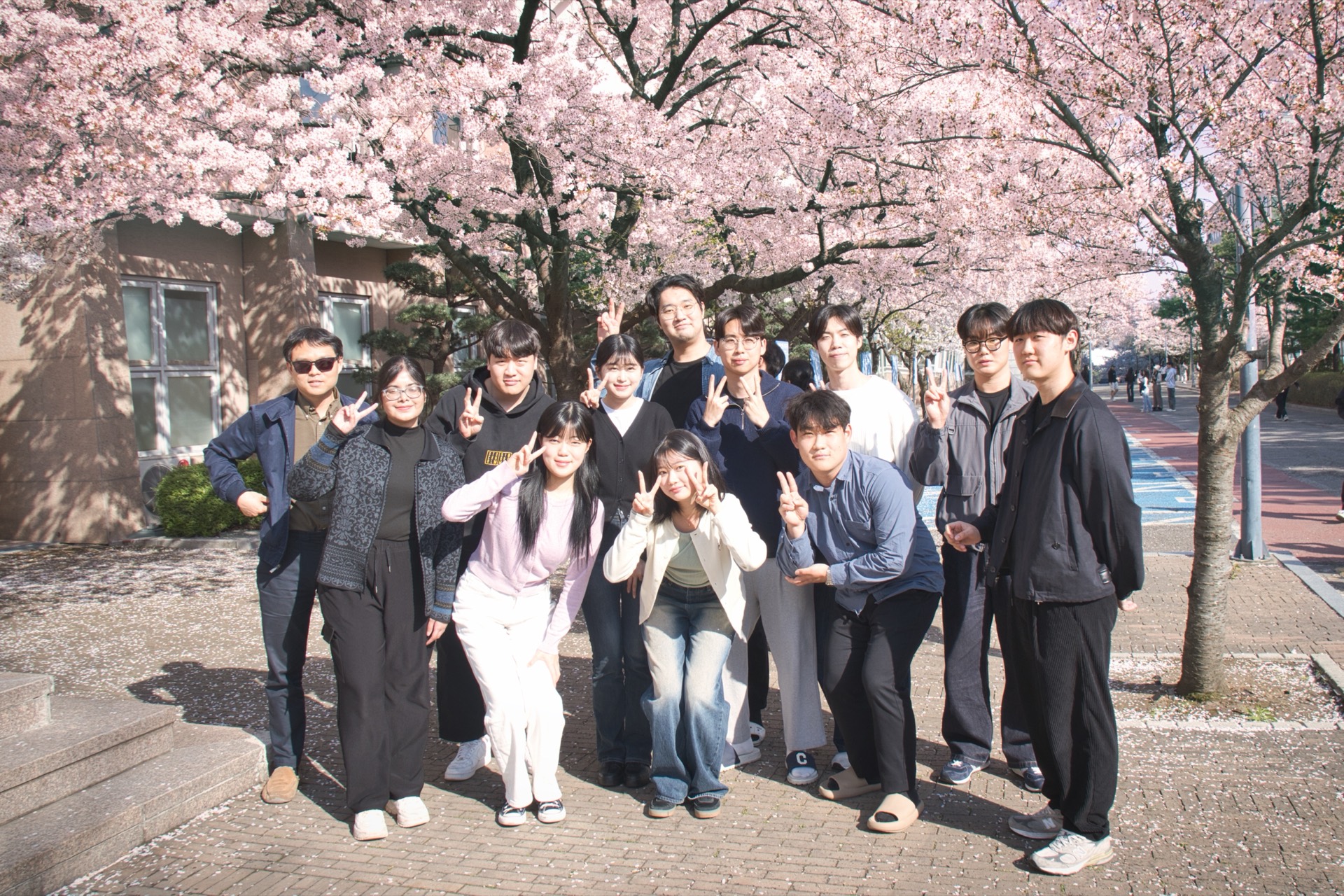
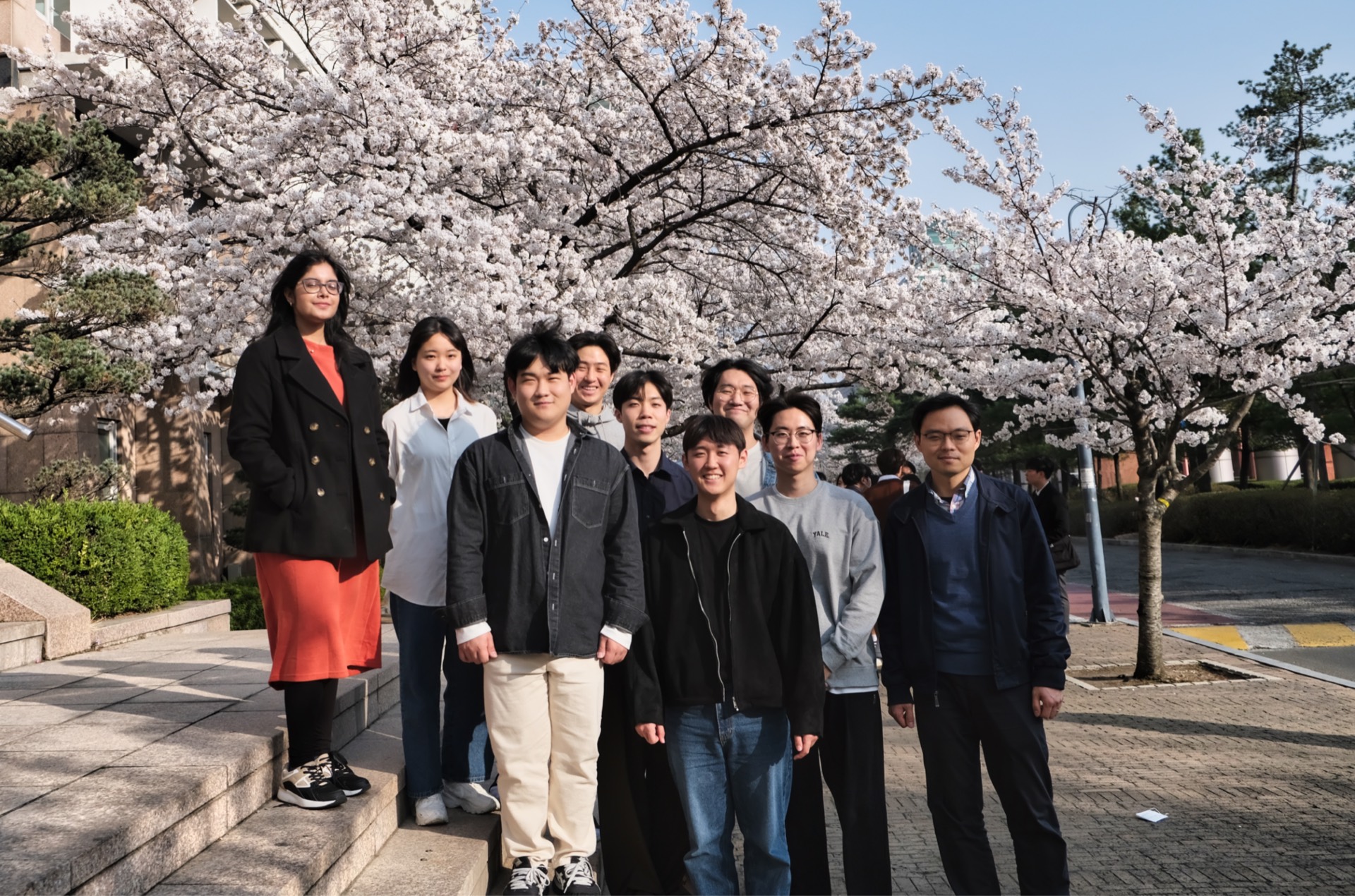
We build grounded, interactive, and data-efficient AI for the physical world: models that find correspondence across views and modalities, learn from human interaction, and train from scarce data. Our work spans embodied and physical AI, medical image analysis, and the analysis of multimodal large language models.
Next Generation Hyper-perceptive Hyper-adaptive Action Foundation Model Lab, funded by the National Research Foundation of Korea from July 2026.
Read the announcementOur platform for retinal vessel analysis in fundus images runs in the browser. Upload an image and get vessel maps and measurements.
Open SERVALInterested in physical AI, computer vision, or medical image analysis? Contact Prof. Soochahn Lee with a short note on your background and interests.
sclee@kookmin.ac.kr

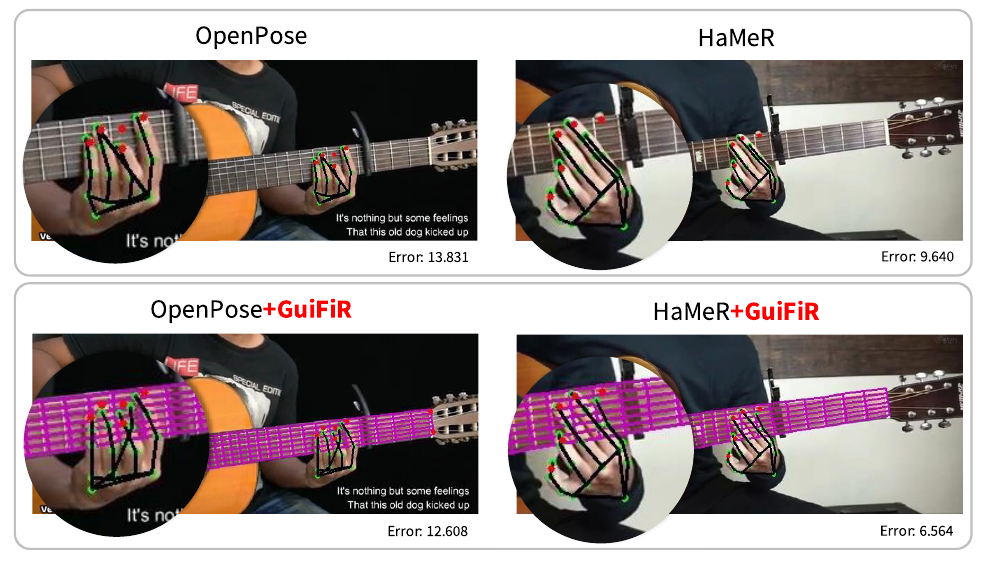
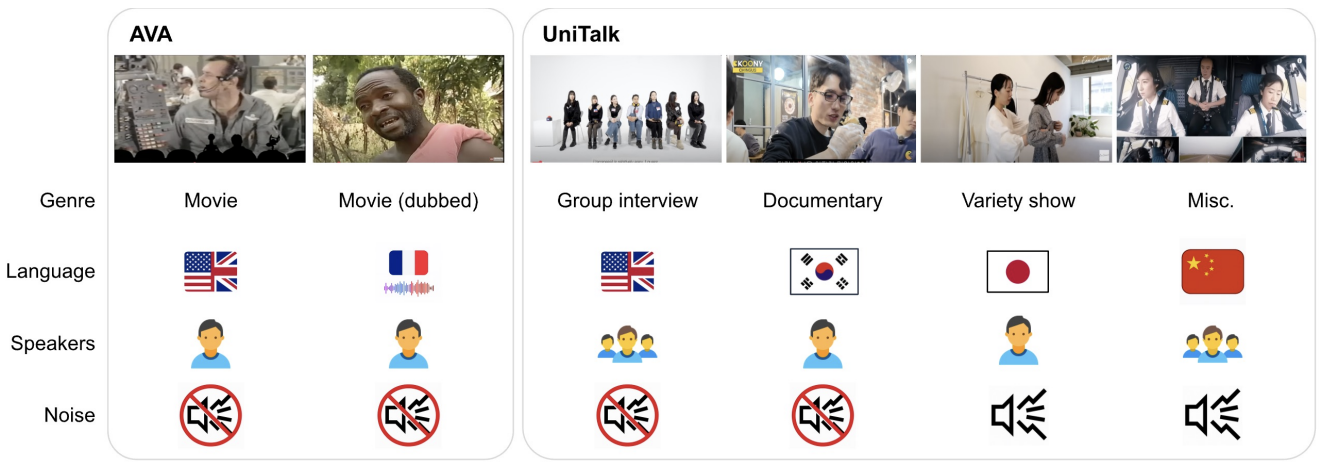

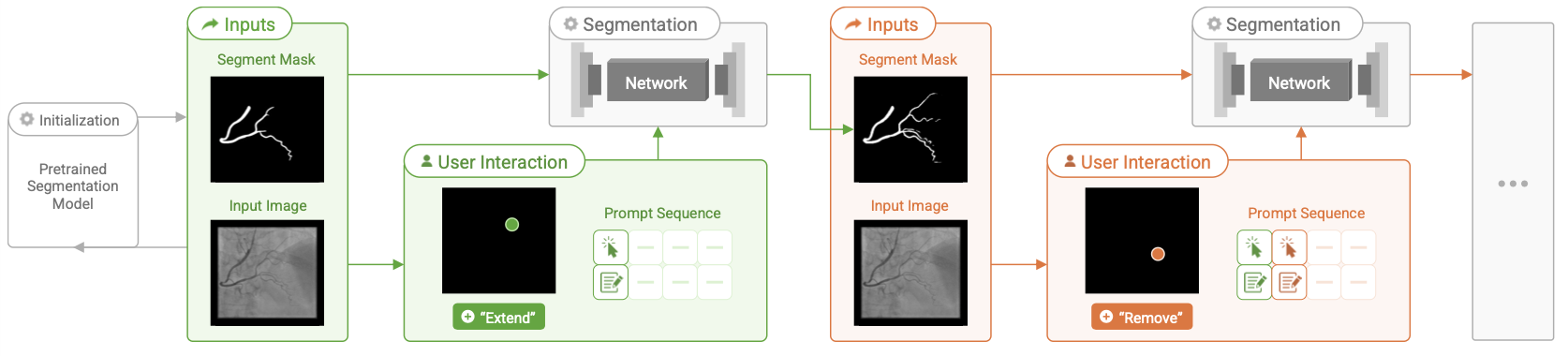
Our methods center on correspondence across views and modalities, learning from human interaction, and training from scarce data. The topics below are where they are applied today.
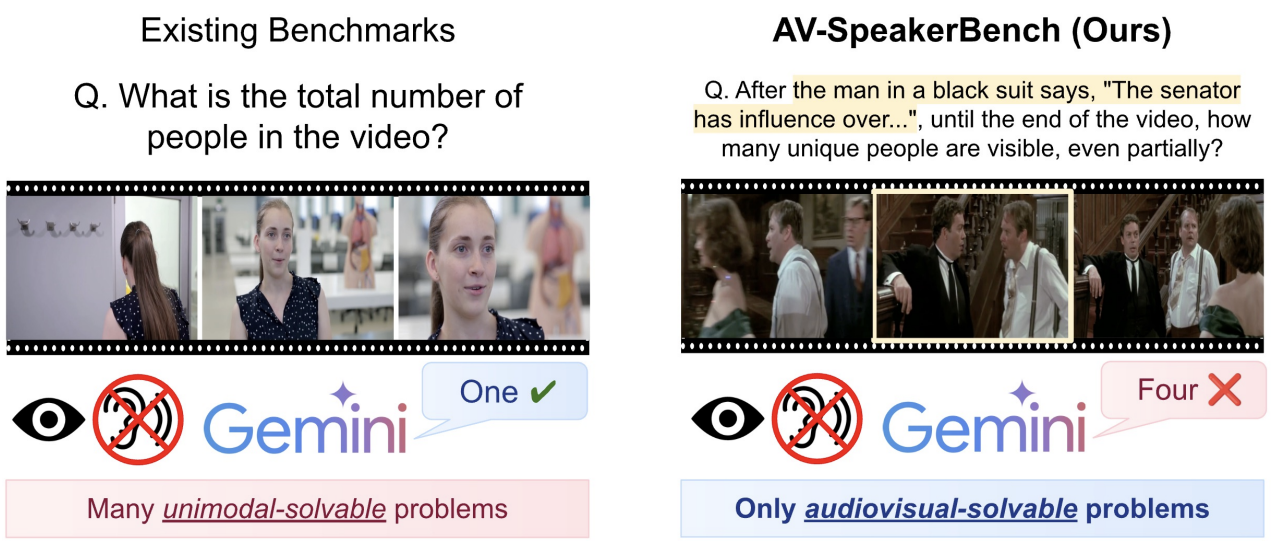
Benchmarks and diagnostic tools for how multimodal LLMs integrate audio, visual, and linguistic signals: audiovisual speech understanding, active speaker detection, multi-hop document reasoning, and contamination detection.
Overview and papers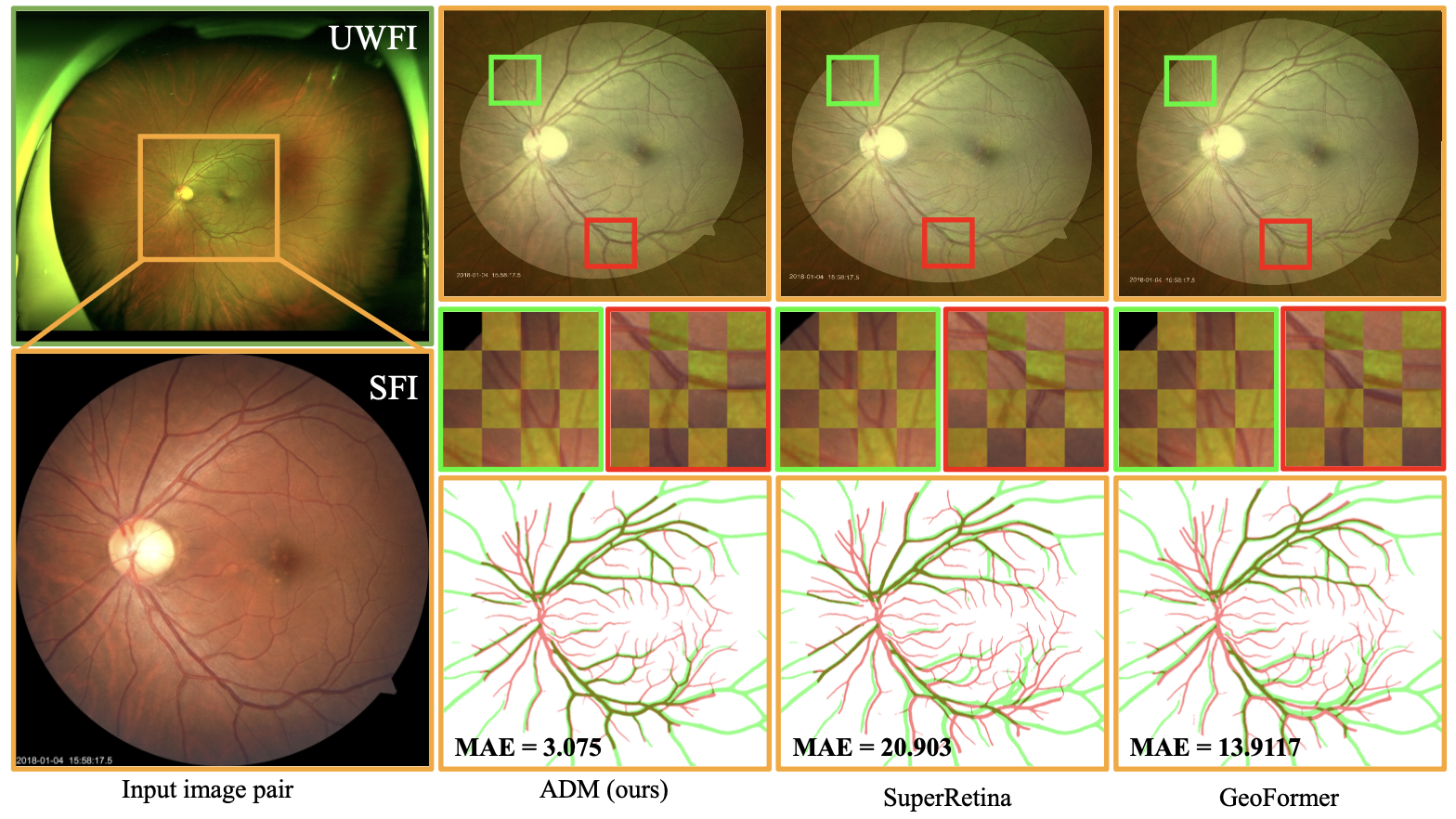
Aligning fundus, fluorescein angiography, and ultra-widefield retinal images across large appearance and geometric gaps, using score-based diffusion, autoregressive transformation, and generative enhancement.
Overview and papers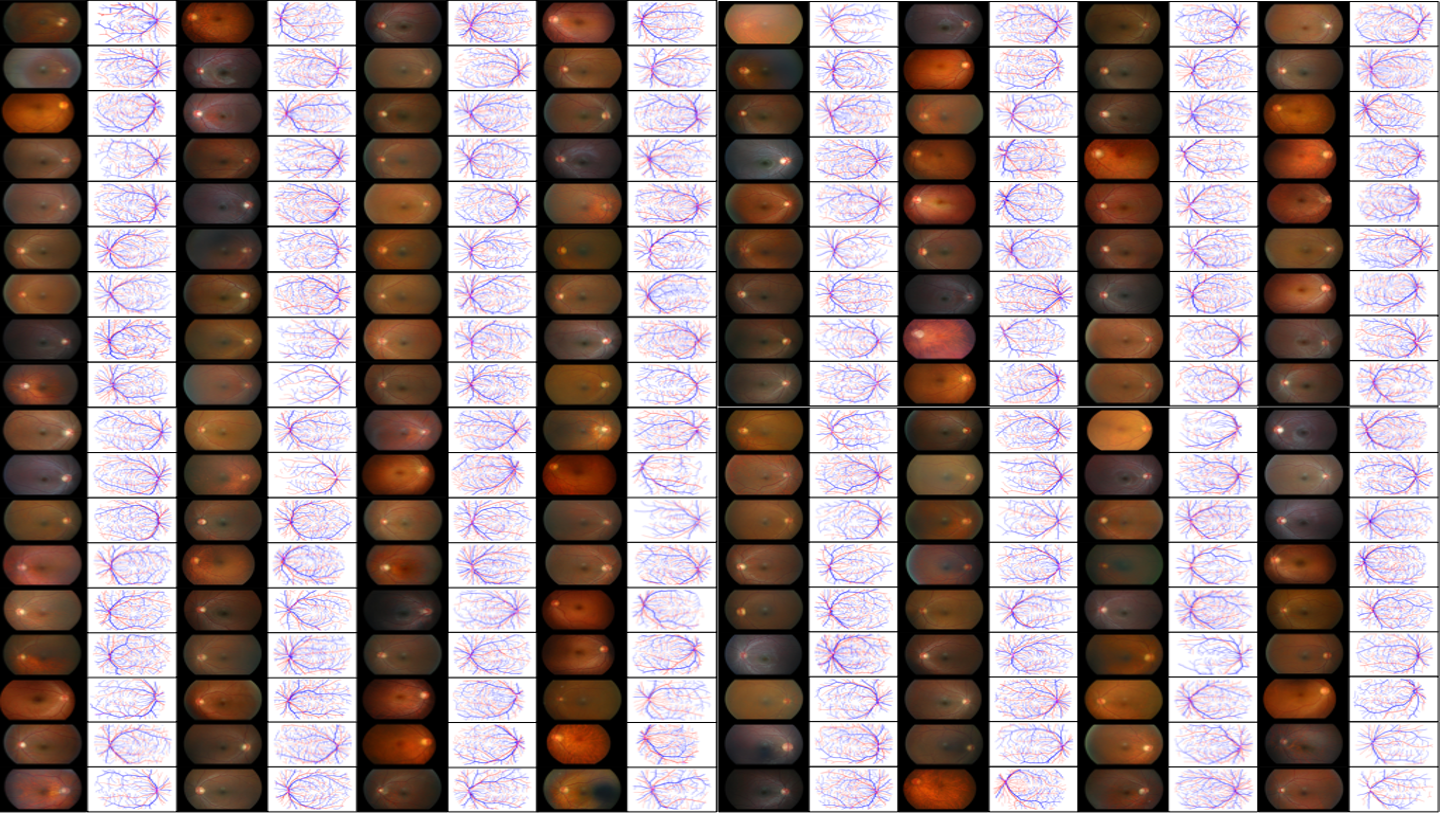
A registered fundus–FA dataset with fine-scale vessel and artery/vein annotations, extended with diffusion-based synthetic counterparts (FIREFLY-Gen).
Overview and papersTopology-aware vessel segmentation and artery/vein classification, interactive and prompt-based refinement, fundus image enhancement, and generative modeling for vessel-annotated data.
Overview and papers
Generative-comparison anomaly detection and disentangled targeted generation for chest X-ray analysis under weak or no lesion-level supervision.
Overview and papers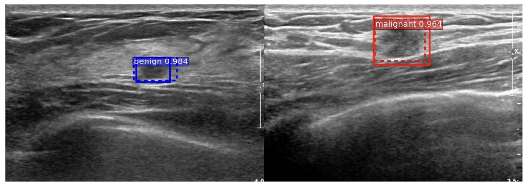
Cascade and classification-based microcalcification detection in mammograms, weakly/semi-supervised mass detection in breast ultrasound, and interpretable retrieval-augmented BI-RADS diagnosis.
Overview and papersLab members in bold. The full list, with venue and year filters, is on the publications page.